Best Septic Tank Treatments in 2026 (Do They Actually Work?)
An honest look at the best septic tank treatments in 2026 — what the EPA and university extensions really say, which types to avoid, and why pumping matters more.
Latest

What Size Septic Tank Do You Need? Sizing by Bedrooms
Septic tanks are usually sized by the number of bedrooms, a proxy for how much wastewater a home generates. Here's how sizing works and why local code has the final say.

Septic Tank Alternatives for Small Lots and Bad Soil
When a conventional drain field won't fit your lot or soil, options like mound, aerobic (ATU), and engineered systems can help. Compare alternatives, costs, and upkeep.
Mound Septic Systems Explained: When and Why You Need One
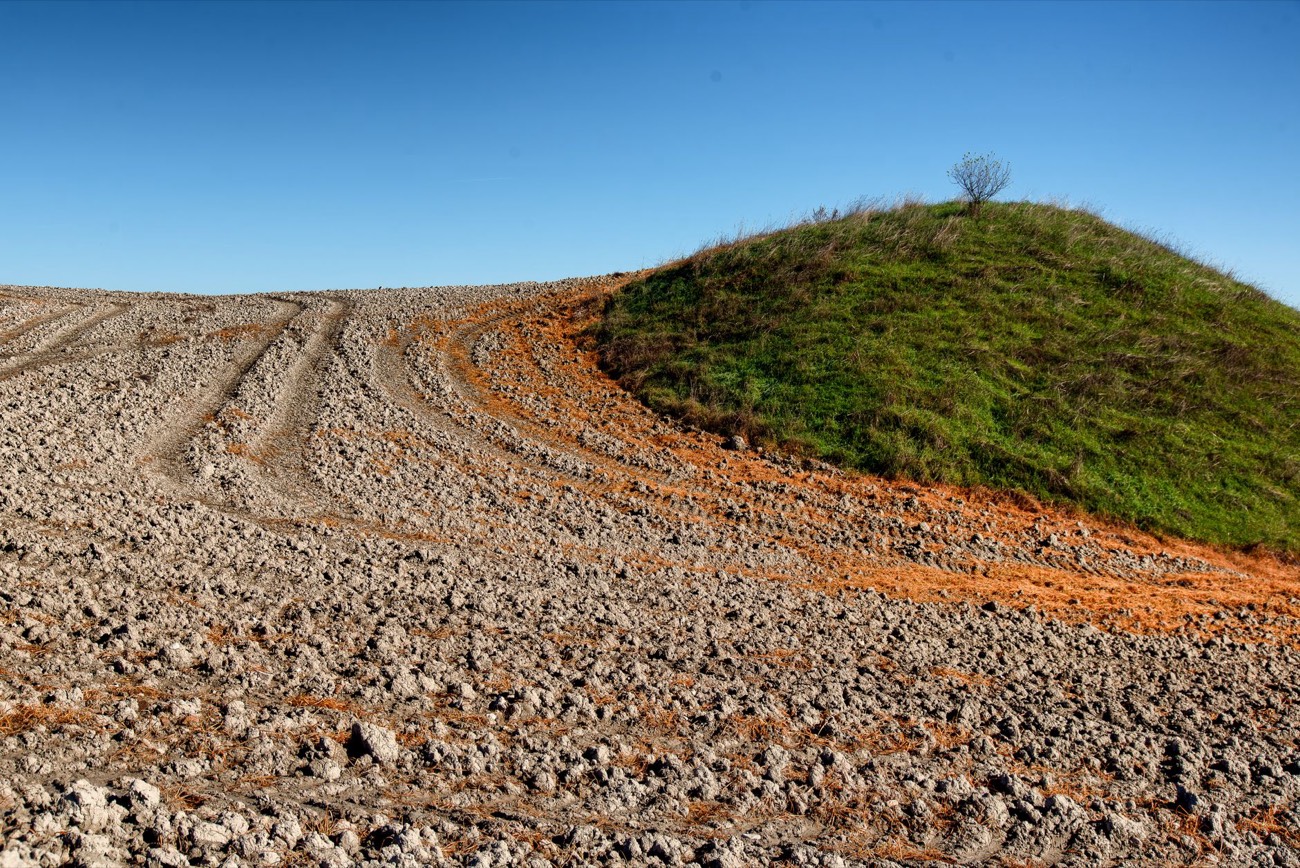
A mound septic system is used when soil is too shallow, too wet, or drains too poorly for a conventional drain field. Here's how mound systems work, cost, and upkeep.
How a Septic System Works: A Homeowner's Plain Guide
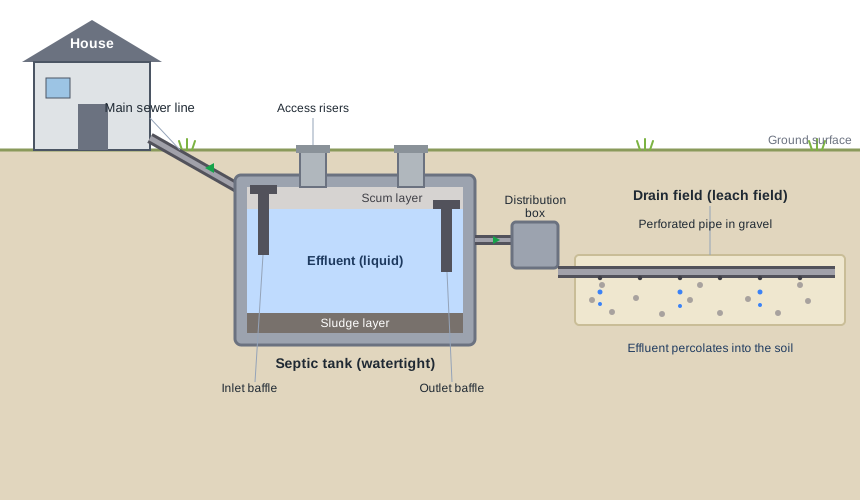
A septic system treats your wastewater on-site in two stages: a buried tank that separates solids, and a drain field where bacteria-treated liquid soaks into the soil.

How Long Does a Septic System Last? Lifespan by Component
A well-maintained septic system lasts 15–40 years. Concrete tanks can last 40+, steel 15–20, and drain fields 20–30. Here's what determines lifespan and how to extend it.

Concrete vs. Plastic vs. Fiberglass Septic Tanks
Concrete septic tanks last 40+ years; plastic and fiberglass resist corrosion at lower cost. Compare lifespan, price, durability, and installation to choose.

What Can You Plant Over a Drain Field? (Safe Plant List)
Grass and shallow-rooted plants are safe over a septic drain field; trees and shrubs are not. Here's what to plant, what to avoid, and how far to keep roots away.
Aerobic vs. Anaerobic Septic Systems: Which Do You Need?
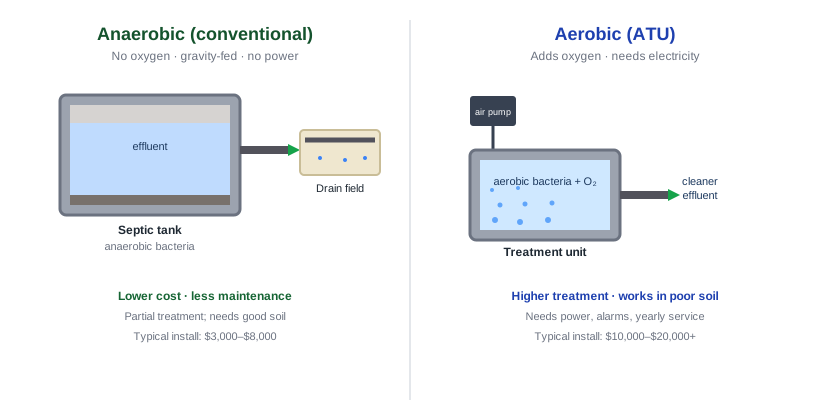
Anaerobic systems are cheaper and low-maintenance but need good soil; aerobic systems treat waste more thoroughly and work in poor soil, but cost more and need power.
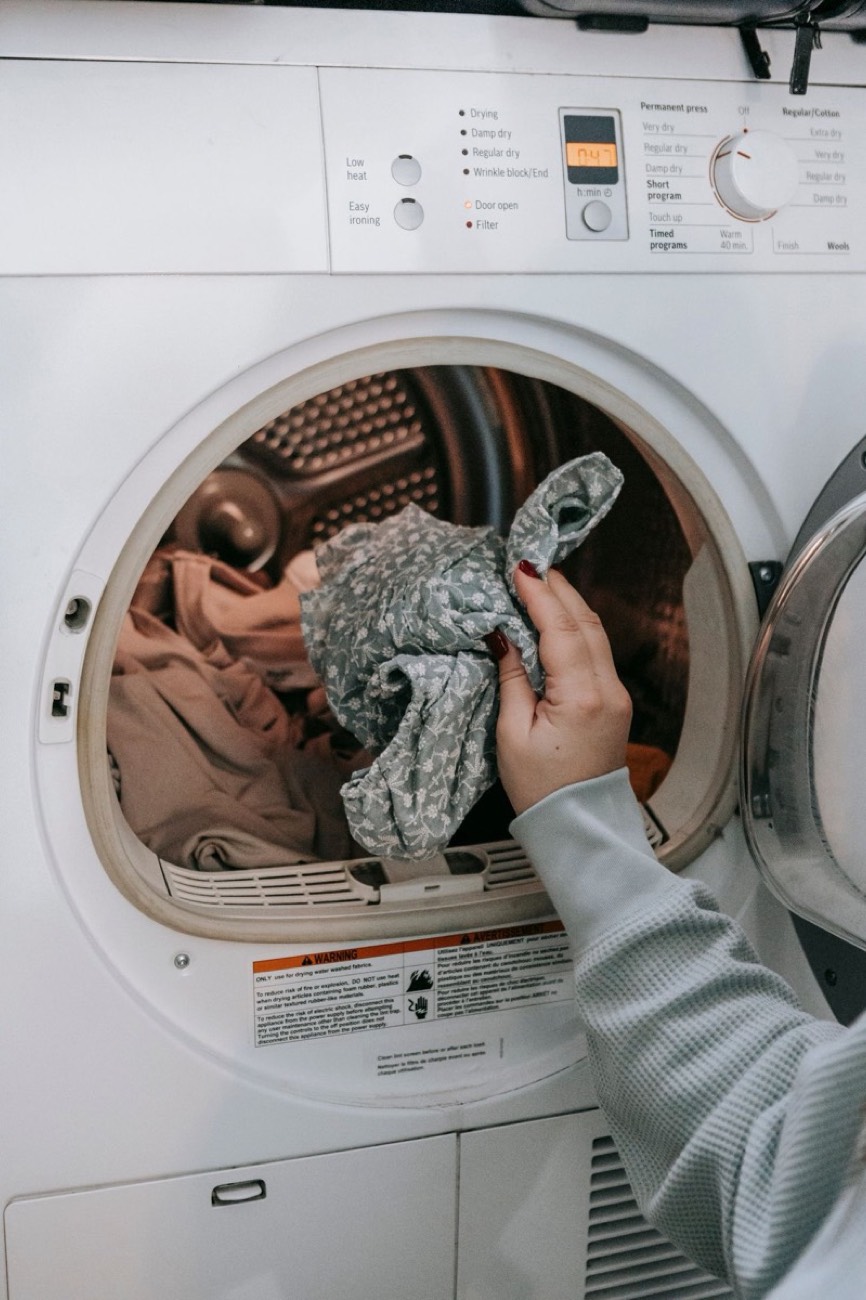
Do Water Softeners Harm Septic Systems? What Research Says
The best available research finds efficient water softeners don't harm septic systems — and may help slightly. Inefficient, high-salt softeners are the real concern.

25 Things You Should Never Flush With a Septic System
With a septic system, only the 3 Ps belong down the toilet: pee, poop, and paper. Here's the EPA never-flush list of 25 items that clog tanks and drain fields.

Septic-Safe Drain Cleaners: What Works Without Killing Your Tank
Caustic chemical drain cleaners harm septic tanks by killing the bacteria that treat waste. Here are septic-safe ways to clear a clog — from hot water to an auger.
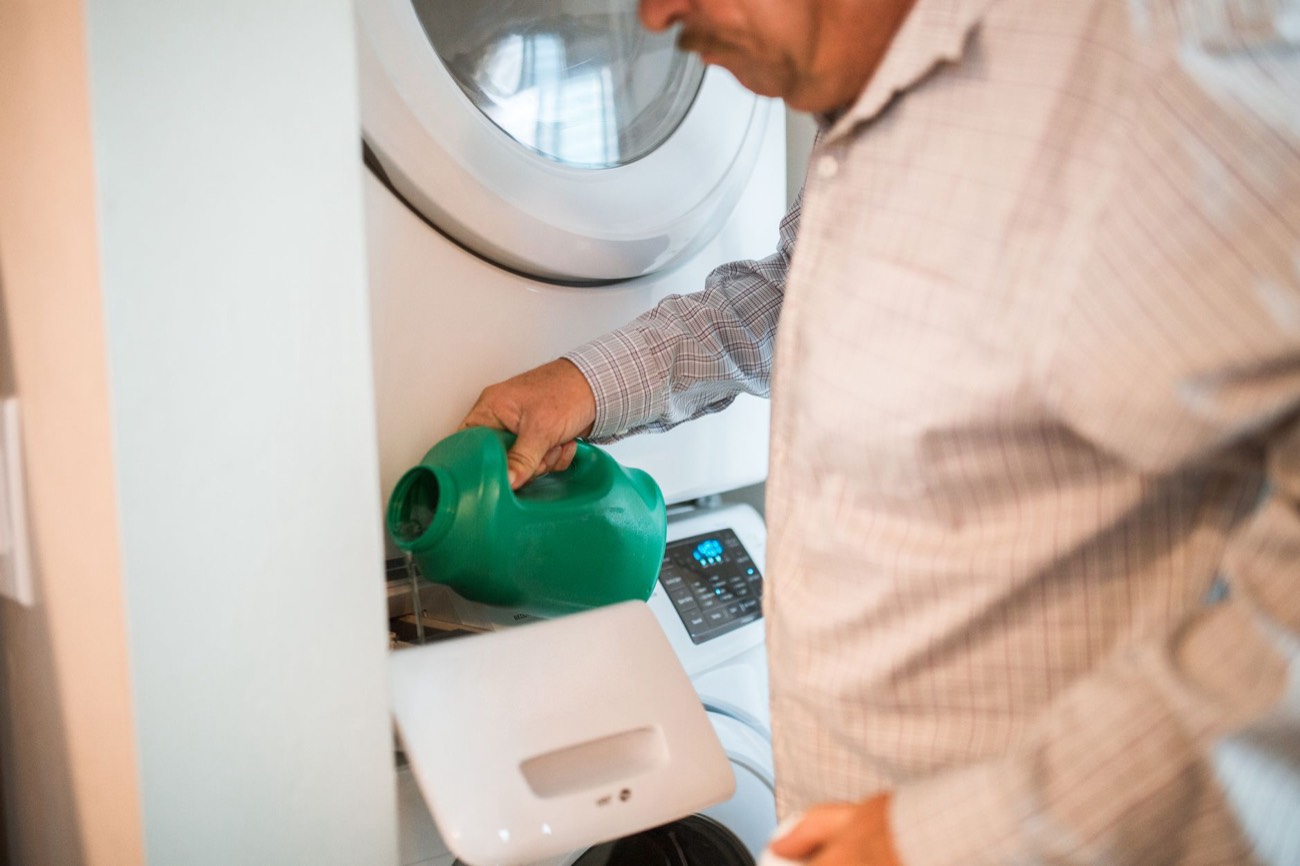
Septic-Safe Laundry Detergents: What to Use and Avoid
Liquid detergent beats powder for septic systems because powder fillers sink as sludge. Here's how to pick a septic-safe laundry detergent and protect the tank.