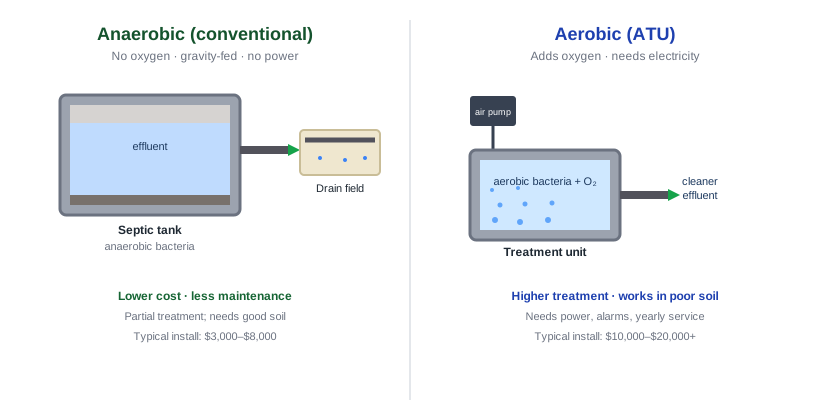
The core difference is oxygen. An anaerobic system — the conventional septic setup most homes have — relies on bacteria that work without oxygen and moves water by gravity. It’s cheaper and low-maintenance, but it only partially treats the waste, so it needs good soil in the drain field to finish the job. An aerobic system adds an air pump that injects oxygen, feeding oxygen-loving bacteria that treat the waste more thoroughly, producing cleaner effluent that even poor or shallow soil can handle. The trade-off: aerobic systems cost far more, need electricity, and require yearly service. Which one you need is usually decided by your soil and lot, not your preference — so let’s break down when each makes sense.
The one difference that drives everything
Both systems use bacteria to break down waste. The question is which kind:
- Anaerobic bacteria work in the oxygen-free environment of a sealed septic tank. They’re slower and only partially treat the waste — the effluent still needs the soil in your drain field to finish treatment. This is the standard conventional system.
- Aerobic bacteria need oxygen, and they work faster and more completely. An aerobic treatment unit (ATU) runs an air pump that constantly bubbles oxygen through a treatment chamber, so the effluent leaving the system is much cleaner.
That single design choice — add oxygen or not — cascades into every other difference: cost, maintenance, power, and what soil you can build on.
Side-by-side comparison
| Anaerobic (conventional) | Aerobic (ATU) | |
|---|---|---|
| Oxygen | None (sealed tank) | Air pump injects oxygen |
| Power needed | No (gravity) | Yes (continuous air pump) |
| Treatment level | Partial; soil finishes it | More thorough; cleaner effluent |
| Soil needed | Good, well-draining | Works in poor/shallow soil |
| Lot size | More land for the drain field | Smaller footprint possible |
| Maintenance | Pump every 3–5 years | Yearly service + pumping |
| Alarms/moving parts | Usually none | Pump, floats, alarm |
| Typical install cost | ~$3,000–$8,000 | ~$10,000–$20,000+ |
When an anaerobic (conventional) system is the right call
For most homes with good soil and enough land, the conventional anaerobic system is the obvious choice:
- Lower upfront cost — often less than half the price of an aerobic system.
- Almost no maintenance — no power, no pump, no alarms; just pump the tank every 3–5 years.
- Reliability — fewer moving parts means fewer things to fail.
If a percolation test shows your soil drains well and you have room for a standard drain field, there’s usually no reason to pay for aerobic treatment.
When you need an aerobic system
Aerobic systems exist to solve problems that a conventional system can’t:
- Poor or slow-draining soil (heavy clay, high water table) that can’t finish treating anaerobic effluent — aerobic effluent is clean enough that the soil doesn’t have to do as much.
- Small lots where a full conventional drain field won’t fit — aerobic systems need less absorption area.
- Environmentally sensitive areas (near lakes, wells, or wetlands) or local regulations that require a higher level of treatment before effluent enters the ground.
- Replacing a failed conventional system on a site whose soil was the problem in the first place.
In these cases, the extra cost isn’t optional — it’s what makes an on-site system possible at all.
The maintenance reality of aerobic systems
Before choosing aerobic, know what you’re signing up for. Because it runs an electric air pump and has floats and alarms, an ATU:
- Needs continuous power — a long outage or a failed pump stops proper treatment and trips the alarm.
- Requires yearly professional inspection — many jurisdictions mandate a maintenance contract.
- Still needs pumping — the tank portion accumulates solids like any other.
An anaerobic system you can nearly forget between pump-outs; an aerobic system is more like a small appliance that needs regular attention.
How to decide
You usually don’t get a free choice — your site decides for you:
- Get a percolation (perc) test. It measures how fast your soil absorbs water.
- Good soil + enough land → conventional anaerobic system (cheaper, simpler).
- Poor soil, small lot, or higher-treatment rules → aerobic system (or another engineered option like a mound).
- Check local requirements. Some counties mandate specific system types near water or on certain soils.
Whichever you install, the fundamentals of ownership are the same: keep solids pumped out and protect the drain field. If you’re new to how it all fits together, start with how a septic system works, and when you’re pricing options, see the full new-system and replacement costs.